Exploring the Evolution of RPG Games: What’s Next for the Gaming Industry?
RPG games, or role-playing games, have captured the hearts and minds of gamers worldwide. Their evolution from simple text-based adventures to the complex, immersive experiences we have today is nothing short of remarkable. In this article, we will delve into the history of RPG games, their current state, and what the future might hold for this dynamic genre.
The Origins of RPG Games
The journey of RPG games began in the late 1970s. The classic Dungeons & Dragons set the stage for the genre. Players would create characters, explore fantasy worlds, and embark on quests, all guided by a dungeon master. This tabletop experience laid the groundwork for digital RPGs.
The Rise of Computer RPGs
In the 1980s, RPG games transitioned from tabletop to computer screens. Titles like Wizardry and Ultima emerged, allowing players to engage in expansive virtual adventures. As technology advanced, graphics improved, and storylines became intricate.
The Golden Age of RPGs
- Final Fantasy - The series introduced deep storytelling and emotional connections.
- Chrono Trigger - Renowned for its time-travel mechanic and multiple endings.
- The Elder Scrolls - Gave players vast open worlds to explore.
The MMORPG Explosion
The late 1990s and early 2000s witnessed the explosion of MMORPGs (Massively Multiplayer Online Role-Playing Games). Titles like World of Warcraft transformed how gamers interacted with each other in virtual spaces, creating communities and shared experiences.
The Impact of Technology on RPGs
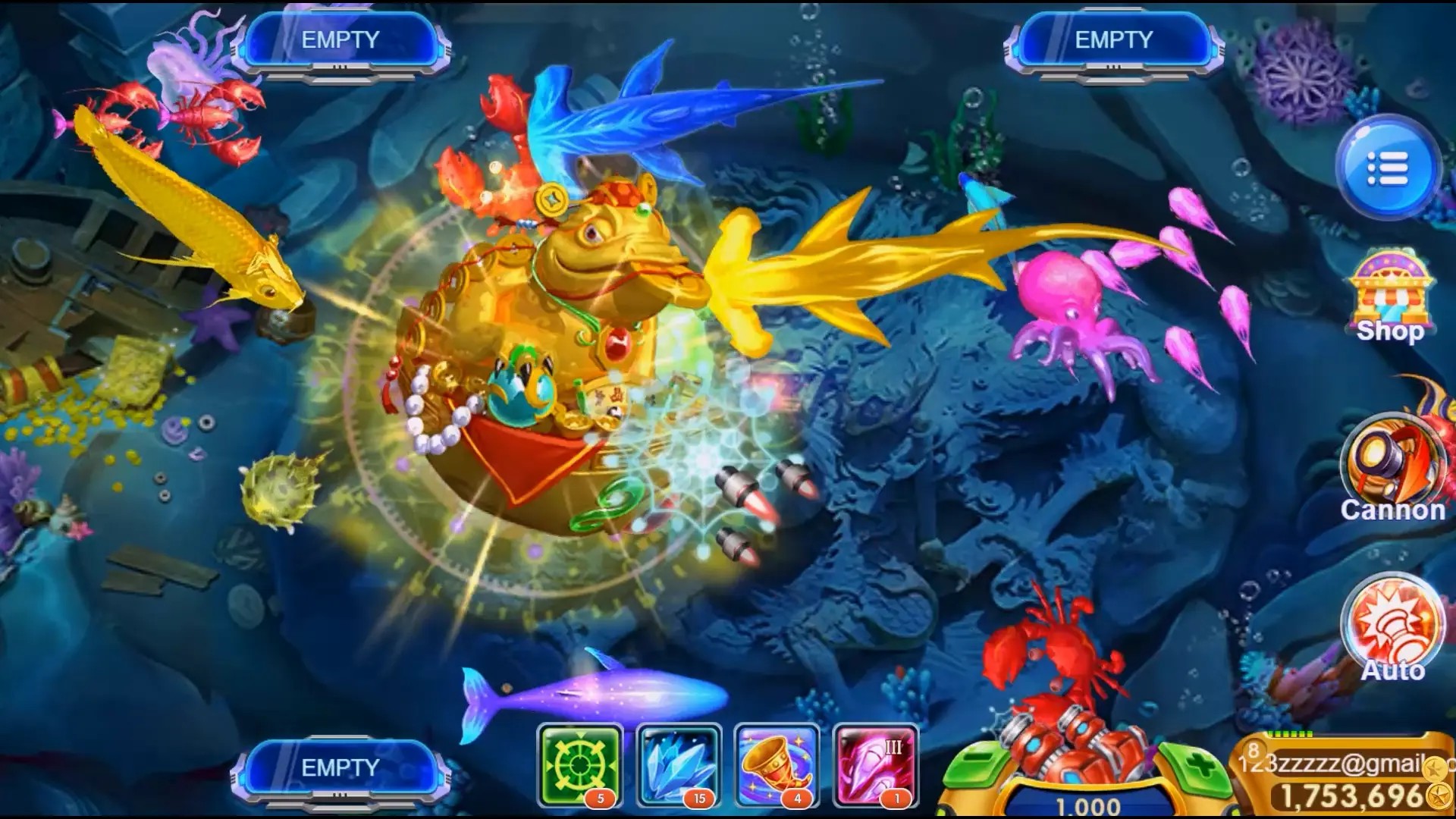
Advancements in technology have been a driving force in the evolution of RPG games. The introduction of 3D graphics, voice acting, and expansive worlds has heightened player engagement. GPU advancements have allowed for lifelike environments that pull players deeper into their adventures.
The Blend of Genres
Modern RPGs often blend elements from other game genres. From action-adventure hybrids to tactical RPGs, the lines have blurred. This fusion has opened new pathways for narrative and gameplay innovation, captivating a broader audience.
The Role of Independently Developed RPGs
Indie developers have breathed fresh life into the RPG genre. Games like Undertale and Hollow Knight showcase unique storytelling techniques and gameplay mechanics. The indie scene encourages creativity and experimentation, appealing to gamers looking for something different.
What’s Next for RPG Games?
The future of RPG games seems promising, with trends indicating continued innovation. Here are some expected developments:
| Trend | Description |
|---|---|
| AI Integration | Incorporating artificial intelligence for dynamic storytelling and NPC interactions. |
| Virtual Reality | Immersive VR environments that provide unparalleled player experiences. |
| Cross-Platform Play | Players from different platforms can now play together, expanding the community. |
| Slice ASMR Games | Utilizing ASMR elements to create relaxing, meditative RPG experiences. |
Exploring New RPG Mechanics

RPG mechanics continue to evolve, with developers experimenting with new ways to engage players. Here are some mechanics gaining traction:
- Branching Narratives - Choices matter more than ever, leading to distinct outcomes.
- Dynamic Events - In-game world events that change based on player decisions.
- Skill-Based Progression - Moving away from traditional leveling systems.
The Importance of Community and Feedback
Nowadays, game communities play a crucial role in the development of RPGs. Developers are increasingly sought for player feedback during the design process, creating a synergy that was previously absent. This relationship fosters a sense of belonging among players.
Cultural Impact of RPG Games
RPGs have transcended gaming and influenced popular culture. Movies, novels, and television series draw heavy inspiration from RPG narratives and mechanics, showcasing the genre's widespread appeal.
Conclusion: What Lies Ahead?
The future of RPG games is a tapestry woven from technological advancements, player creativity, and an ever-evolving gaming culture. As we look forward, the possibilities are limitless. Whether through immersive mechanics, engaging narratives, or the integration of new technologies, RPGs are bound to continue capturing the imagination of players for years to come.